The Ultimate Guide to Planning Multi-Country European Group Tours: A Tour Operator’s Manual
The Ultimate Guide to Planning Multi-Country European Group Tours: A Tour Operator’s Manual
Planning a single-destination tour requires coordination; planning a cross-border, multi-country European itinerary requires absolute operational mastery. For international tour operators, the corridor connecting Central Europe and the Balkans is one of the most profitable yet logistically complex routes to manage.
Moving a group of 10+ travellers from the imperial streets of Prague and Vienna down to the sun-drenched Adriatic coast in Dubrovnik involves navigating multiple currencies, strict coach regulations, and shifting border dynamics.
This manual serves as your operational blueprint for flawlessly executing multi-country European group tours, optimised using the exact framework we use at Lotus Voyager DMC.
1. Route Optimization: Balancing Travel Times with Passenger Comfort
The most common mistake in multi-country planning is creating an itinerary that looks beautiful on paper but feels like a military march to the passengers. True route optimization requires calculating driving distances not just by kilometers, but by strict European coach regulations.
When connecting Central Europe (Czech Republic, Austria, Hungary) to the Balkans (Croatia, Bosnia, Serbia), a logical geographical flow is mandatory to avoid backtracking and driver fatigue.
The Ideal Central Europe to Balkans Flow:
- Day 1–3: Prague (Arrival & Cultural Immersion)
- Day 4–5: Vienna (Scenic transfer via Český Krumlov)
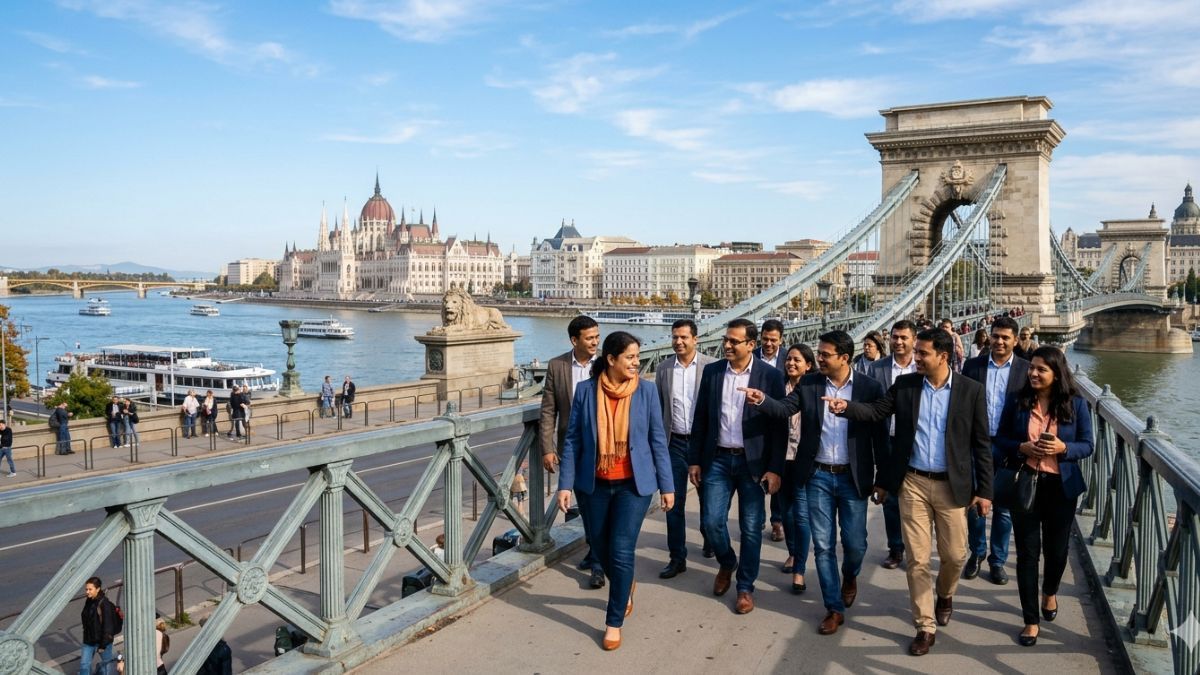
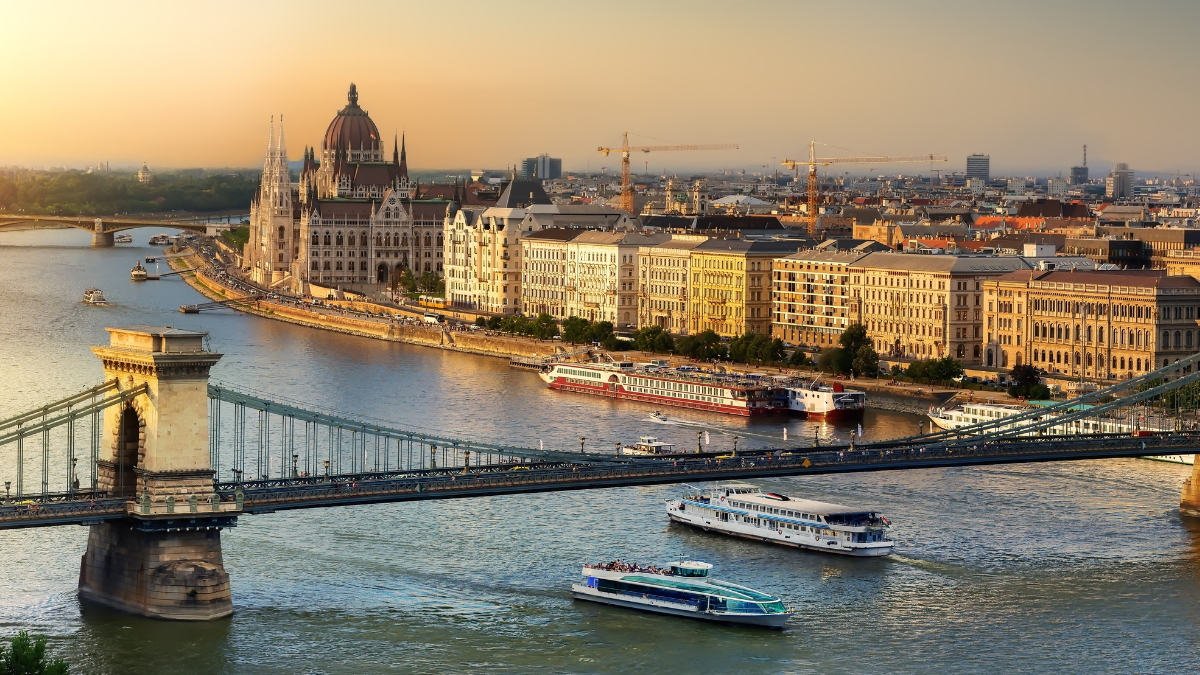
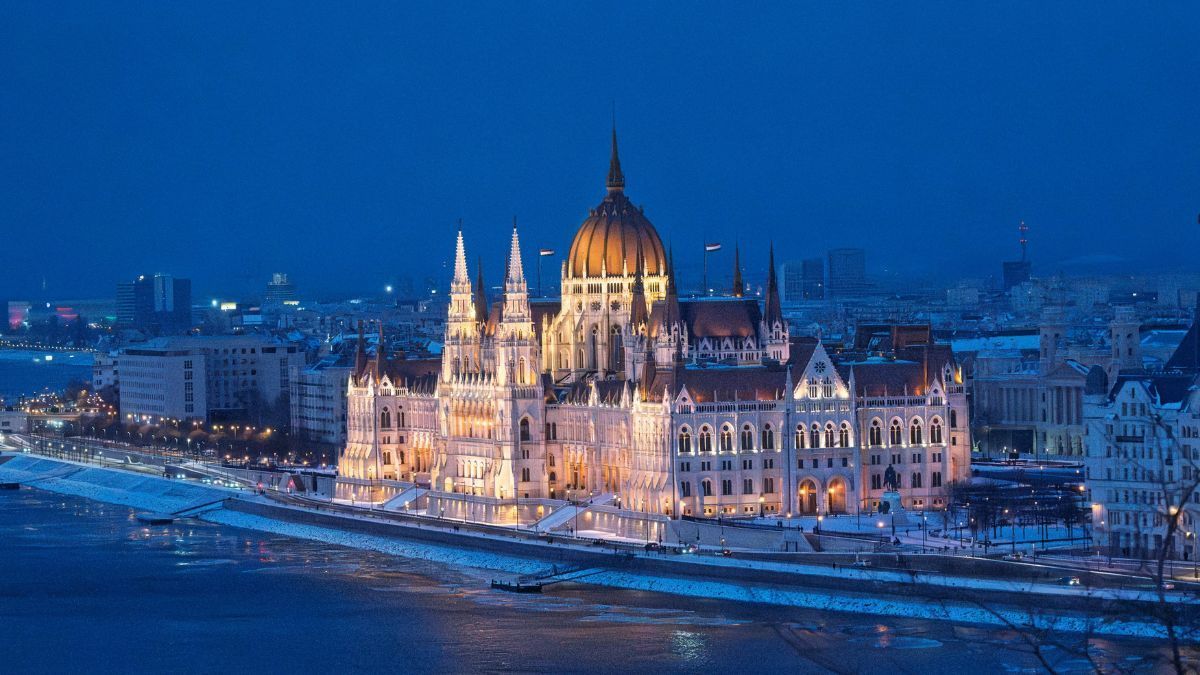
- Day 6–7: Budapest (The Danube Hub)
- Day 8–9: Zagreb & Plitvice Lakes (The Gateway to the Balkans)
- Day 10–12: Split & Dubrovnik (The Adriatic Finale)
Pro-Tip for Operators: Always factor in a mandatory 45-minute break for your coach driver every 4.5 hours of driving. Failing to plan these stops into your itinerary will disrupt your timed entrance slots at major attractions like the Schönbrunn Palace or the Plitvice Lakes.
2. Cross-Border Logistics: Schengen, Tolls, and Cabotage Rules
Navigating borders in Europe is no longer as simple as driving through open checkpoints, especially when transitioning between EU, Schengen, and Non-Schengen zones in the Balkan region.
To ensure your group doesn't spend hours stranded at a checkpoint, your operational team must master three core logistical pillars:
A. Schengen vs. Non-Schengen Borders
While traveling between Czech Republic, Austria, and Hungary is seamless, crossing into non-Schengen or non-EU Balkan nations (like Bosnia & Herzegovina or Serbia) requires meticulous manifest preparation.
- Keep three physical copies of the passenger passport manifest easily accessible by the tour leader.
- Monitor live border wait times, particularly at the Hungary-Serbia or Croatia-Bosnia borders, and adjust morning departure times accordingly.
B. European Coach Regulations & Cabotage
EU cabotage rules restrict how many domestic transport operations a foreign coach can perform within another country. Furthermore, cities like Vienna, Salzburg, and Prague have strict environmental zones and specific drop-off/pick-up permits for group coaches.
3. Supplier Synchronization: Sourcing at Scale
A multi-country tour is only as strong as its weakest local supplier. Managing separate contracts for hotels, local city guides, whispering audio systems, and group restaurants across five different countries is an administrative nightmare for an outbound operator.
Streamlining Your B2B Supply Chain:
- Consistent Hotel Grading: A 4-star hotel in Prague may offer a vastly different style and service level than a 4-star hotel in a developing Balkan destination. Work with a regional DMC to ensure standard expectations are aligned across the entire route.
- Vetted Local Guides: Most European countries legally require localized guiding licenses. A guide licensed in Budapest cannot legally guide your group in Vienna or Split.
- Dietary Diversification: While Central European cuisine leans heavily on meats and potatoes, the Balkans introduce Mediterranean and Ottoman influences. Ensure your supplier network can seamlessly handle vegetarian, halal, or gluten-free requests uniformly throughout the journey.
4. Risk Mitigation: The Power of 24/7 In-Destination Support
In group travel, the unexpected will happen. A missed flight connection, a sudden highway closure in the Austrian Alps, or a lost passport at a Balkan border can instantly derail a travel program.
Having a localised, boots-on-the-ground partner with 24/7 GuestCare ensures that if a coach breaks down or a border delay occurs, alternative transport is dispatched immediately, hotel front desks are notified of late arrivals, and restaurant reservations are rescheduled in real-time.
5. Conclusion: Why a Regional DMC Partner is Your Best Asset
Mastering the complexities of multi-country European group tours requires localized expertise, a massive network of trusted regional suppliers, and flawless operational execution.
Instead of contracting dozens of isolated suppliers across multiple time zones, partnering with a unified regional expert like
Lotus Voyager DMC gives your travel agency access to 900+ trusted suppliers, competitive net rates, and 30+ years of cross-border operational wisdom.
Let us handle the logistics while you focus on selling unforgettable journeys.
Have You Explored Our Ready-Made Tour Programs?
To save your team weeks of planning and itinerary mapping, we have crafted meticulously optimized, pre-packaged B2B itineraries that seamlessly combine the absolute best of Central Europe and the Balkans.
Discover our ready-made signature routes.
Partner with the Experts
Ready to build your next high-converting Central Europe & Balkans itinerary?
About Lotus Voyager Group
Lotus Voyager Group is a Europe-based DMC with a network of 900+ trusted suppliers and extensive experience in handling leisure, MICE, and luxury travel programs for global partners.



The Human Heartbeat of Travel: Why Expert Ground Support is Non-Negotiable for Middle Eastern Guests